
Introduction
HDMI ARC, or Audio Return Channel, simplifies connecting your TV to audio devices, enhancing sound quality without extra cables. Identifying the right HDMI ARC cable is vital for optimizing your home entertainment system. This comprehensive guide covers everything from understanding HDMI ARC to recognizing compatible cables and troubleshooting.
What is HDMI ARC?
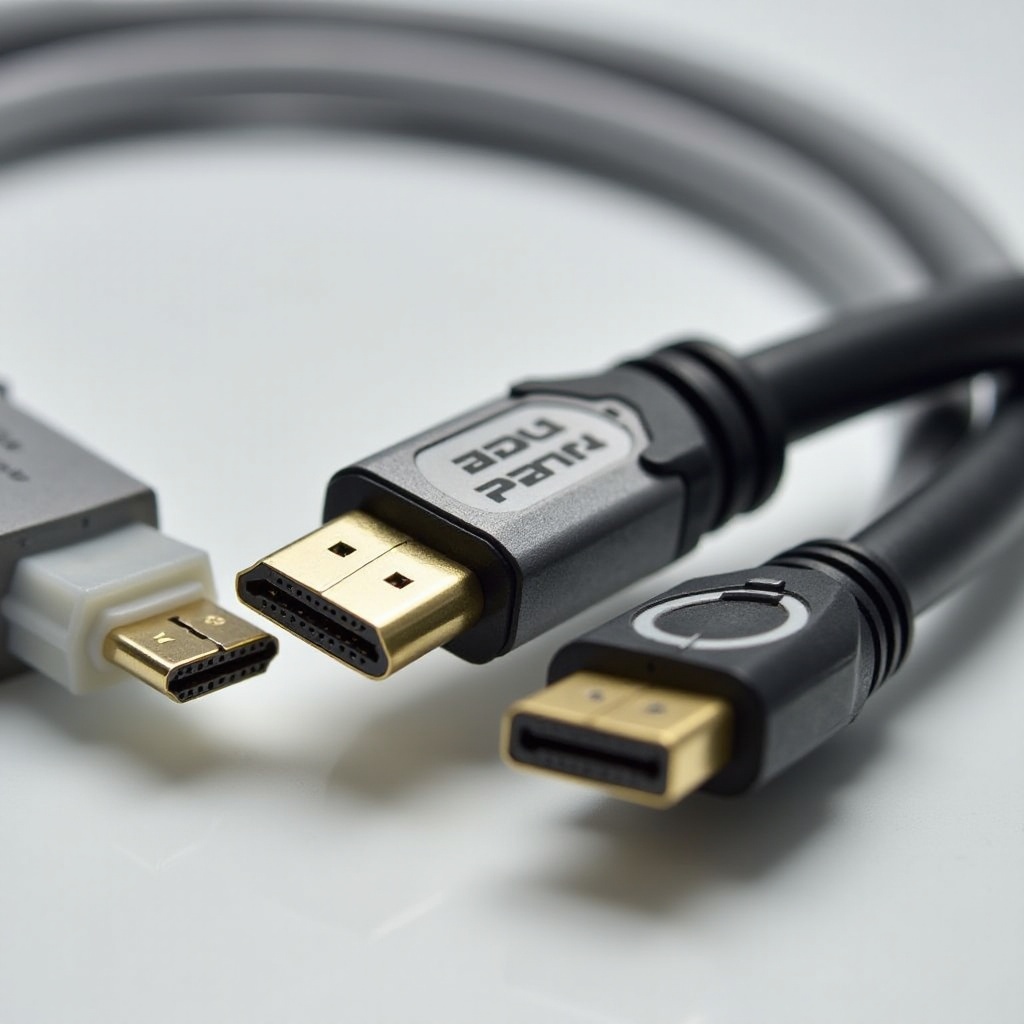
HDMI ARC enables two-way audio traffic between your TV and sound system over a single HDMI cable, streamlining your setup and improving sound synchronization. It’s crucial to understand HDMI ARC’s functionality to effectively connect your devices.
Benefits of Using HDMI ARC
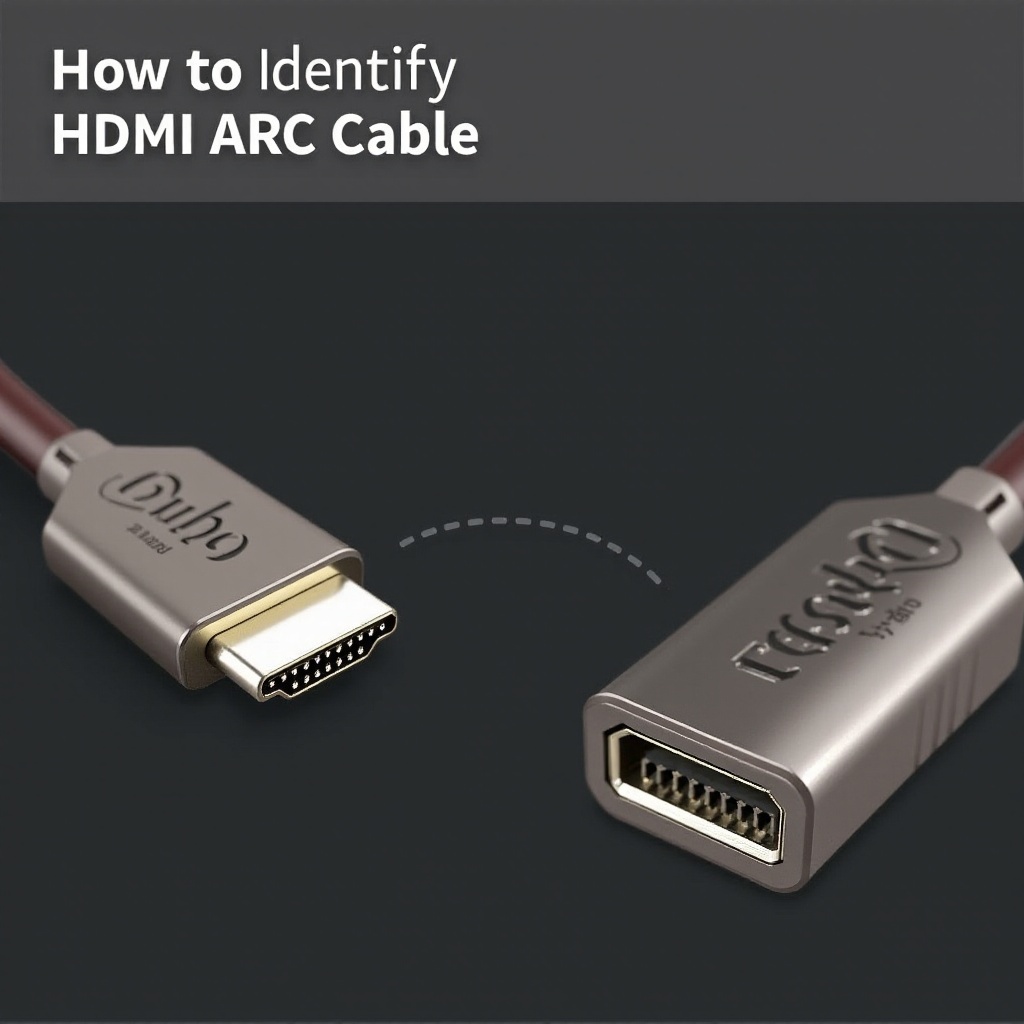
Using HDMI ARC enhances your audiovisual experience by:
– Reducing cable clutter and simplifying setup.
– Allowing you to control the volume with your TV remote.
– Ensuring compatibility with soundbars and home theater systems.
These advantages make HDMI ARC indispensable when enhancing your television setup.
How to Identify an HDMI ARC Cable
Identifying the correct HDMI ARC cable involves a few critical steps:
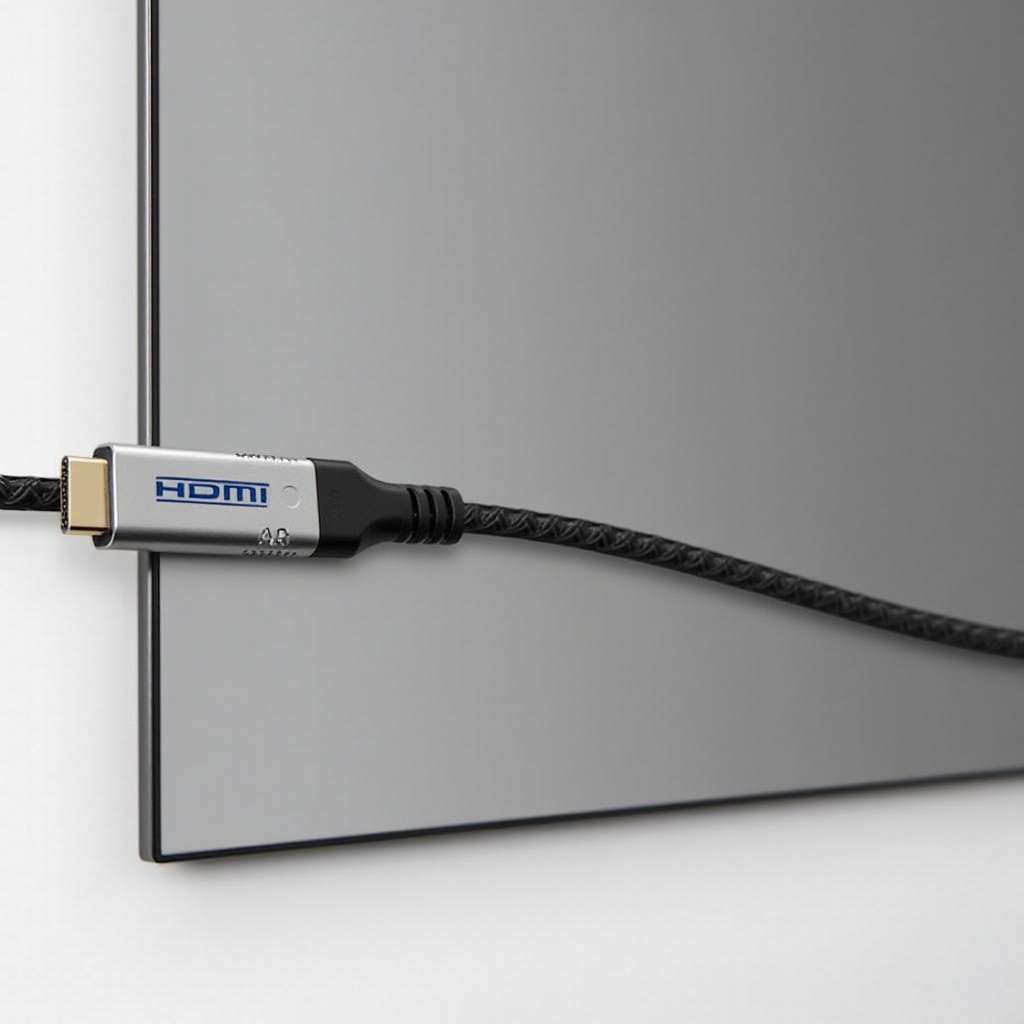
1. Checking Physical Characteristics: Although similar to standard HDMI cables, HDMI ARC cables might be labeled ‘ARC’. Look for this labeling on packaging or the connectors.
2. Identifying Labels and Markings: Check for ARC indications on the cable or packing. HDMI ports on your devices usually have ‘ARC’ visible, confirming compatibility.
3. Confirming Compatibility with Devices: Ensure your TV and audio devices have an ARC-labeled HDMI port. Consult the user manuals to verify all components support ARC functionality.
Following these steps allows for accurate identification and successful setup of your HDMI ARC cable.
Differences Between HDMI ARC and eARC
Understanding the evolution from HDMI ARC to eARC (Enhanced Audio Return Channel) is essential when upgrading devices. eARC offers:
– Greater bandwidth, which enhances audio quality.
– Compatibility with advanced audio formats like Dolby Atmos.
– Improved device control options.
Though eARC is backward compatible with ARC, its enhancements make it valuable if you’re aiming to future-proof your audio system.
Setting Up Your HDMI ARC Connection
Here’s how to set up an HDMI ARC connection effectively:
1. Connect your TV’s HDMI ARC port to the audio system’s ARC port using a compatible cable.
2. Turn on both devices and navigate to the audio settings menu on your TV.
3. Enable HDMI ARC in the TV and audio device settings if required.
Completing these steps will boost your home theater setup by providing improved audio experiences and reducing cable clutter.
Troubleshooting Common HDMI ARC Issues
If your HDMI ARC connection isn’t working properly, try these steps:
– Verify both devices support ARC and check your HDMI cable and port connections.
– Make sure ARC is enabled in the settings of both the TV and audio devices.
– Update the firmware on your devices to prevent compatibility issues.
By following these troubleshooting steps, you can resolve most problems and maintain a seamless entertainment experience.
Upgrading and Future-proofing Your Setup
With technology constantly evolving, upgrading your devices ensures optimal performance:
– Invest in eARC-compatible cables for higher audio quality.
– Choose future devices that support eARC for an enhanced setup.
Such upgrades can maintain a cutting-edge home entertainment system, guaranteeing impressive audiovisual experiences.
Conclusion
Identifying and using HDMI ARC cables can enrich your home theater experience significantly. This guide helps streamline your setup with fewer cables, simplified integrations, and superior audio quality.
Frequently Asked Questions
How can I tell if my TV supports HDMI ARC?
Check the HDMI ports on the back of your TV for a port labeled ‘ARC’, which indicates support.
Do all HDMI cables support ARC functionality?
Not all HDMI cables support ARC. Look for cables specifically labeled as ARC-compatible for proper functionality.
What should I do if my HDMI ARC connection isn’t working?
Ensure settings are enabled on both devices, check connections, and update firmware.