
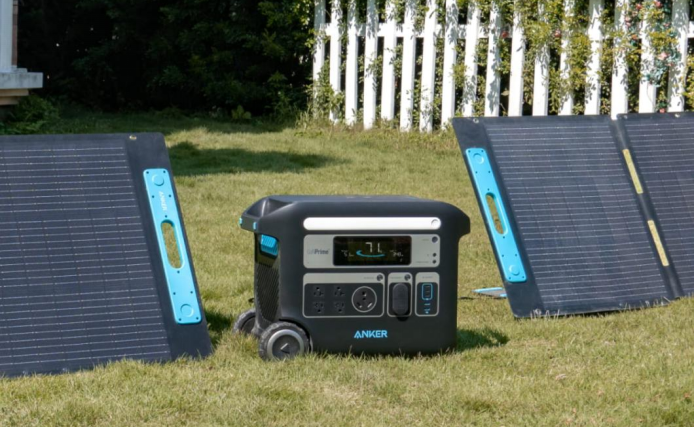
Solar power appears simple at first glance: panels absorb sunlight, produce electricity, and power devices. Yet this direct-use idea breaks down quickly the moment sunlight changes, clouds pass, or appliances demand more power than the panels can produce in real time. This is why modern systems—especially portable, high-capacity solutions—store energy first and release it only when needed. Storage creates stability, protects electronics, and provides power regardless of weather. A good example is the Anker SOLIX F2000 Solar Generator + 400W Solar Panel, which captures sunlight efficiently and safely stores it in a large battery before delivering clean AC power. Understanding the reason behind this design clarifies why nearly every portable solar generator prioritizes energy storage at its core.
Why Solar Power Must Be Stored Before Use?
Solar Production Is Too Unpredictable for Direct Appliance Power
Sunlight varies minute by minute, which means solar panel output constantly rises and falls. Appliances, however, expect a steady power supply. A refrigerator compressor, a laptop charger, or a medical device cannot tolerate sudden dips or spikes. Direct solar-to-appliance setups would shut off or reset every time conditions changed. Energy storage solves this mismatch. The generator’s battery absorbs fluctuating panel output and releases stable electricity at a constant rate. This is why systems like the SOLIX F2000 rely on high-capacity storage before delivering power. The battery becomes a buffer, smoothing out the volatility of sunlight and allowing appliances to receive uninterrupted flow even when clouds or shade interrupt panel production.
Storage Allows Power to Be Used at Any Time—Not Only When the Sun Is Out
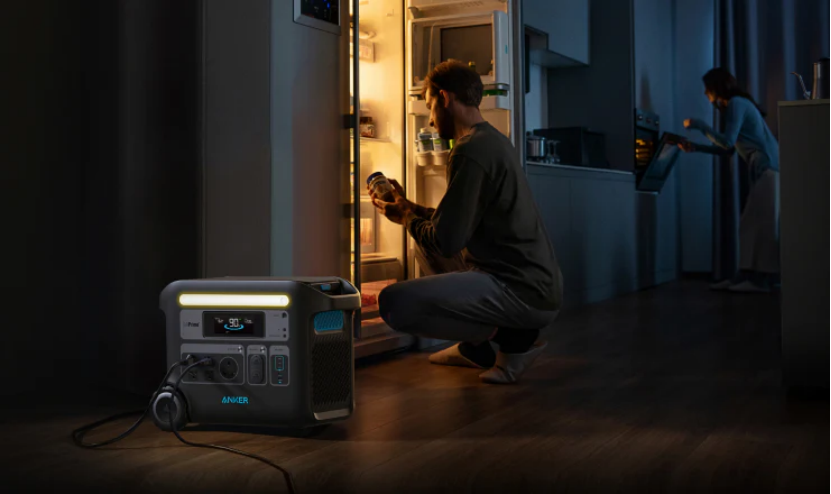
Many household tasks do not align with solar production hours. People cook in the evening, run entertainment devices after dark, or work indoors where sunlight does not reach. Direct solar use would limit activity to daylight windows and clear weather. By storing energy, a solar generator decouples production from consumption. You can charge during the day and use the stored energy at night or whenever appliances demand it. The SOLIX F2000 enhances this flexibility with its fast charging capability and large 2048Wh capacity, enabling users to collect abundant solar energy and rely on it long after the sun has set. This makes off-grid cabins, backyard workspaces, and home office setups far more practical.
Stored Energy Supports Higher Surge Loads Than Panels Can Provide
Some appliances require a burst of power when starting—blenders, microwaves, pumps, or heating elements often draw much more wattage for a brief moment. Solar panels alone cannot meet these surges because their instantaneous power output is capped by sunlight. A battery, however, can release large amounts of energy quickly and safely. High-capacity solar generators use their inverters and energy reserves to handle demanding appliances without shutting down. The SOLIX F2000’s design allows high-wattage devices to operate smoothly, even when several are running at once. Storage makes this possible by supplying the necessary short-term bursts that raw panel output can never achieve.
How Energy Storage Improves System Safety, Usability, and Power Quality?
Stored Energy Enables Clean and Consistent AC Power Through the Inverter
Panels produce DC electricity that fluctuates with sunlight, but homes and electronics require a stable AC output. The inverter cannot create a consistent sine wave from an unstable input. Storing energy first provides the inverter with a steady DC source, allowing it to generate smooth and predictable AC electricity. This protects sensitive electronics such as monitors, routers, musical instruments, and medical equipment. Systems like the SOLIX F2000 combine large battery reserves with a refined inverter architecture to maintain safe voltage and frequency levels regardless of how variable the sunlight becomes. Storage ensures that the AC output quality matches or exceeds that of standard wall power.
Battery Storage Improves Safety by Controlling High Current Flow
Directly powering devices from panels could create electrical hazards when panel output spikes, wiring overheats, or devices pull inconsistent current. Batteries act as controlled reservoirs. They manage current flow, prevent runaway voltage conditions, and allow smart energy management logic to intervene when necessary. Advanced temperature monitoring—like the system used in the SOLIX F2000—further stabilizes operation by keeping internal components cool and extending lifespan. By routing panel power through a regulated battery system, solar generators protect both the device and the connected appliances, making indoor use safe and reliable.
Storage Makes Hybrid Energy Planning Possible
Once solar energy is stored, it can be combined with other strategies:
• Homeowners can use stored energy during peak grid pricing hours to reduce bills.
• Off-grid users can reserve energy for nighttime or emergencies.
• Remote researchers can build predictable power schedules even in cloudy seasons.
Direct panel-to-device power would offer none of these capabilities. Storage transforms solar from a weather-dependent energy source into a predictable, manageable one. The SOLIX F2000 leverages this advantage, giving users app-based control to monitor usage, schedule charging, and optimize supply. Stored energy is thus not merely a convenience—it is the foundation of modern solar planning.
Conclusion
Solar generators store energy because direct panel power is too unstable, unpredictable, and limited for real-world use. Appliances require steady voltage, nighttime operation, and surge support—conditions that sunlight alone cannot provide. By capturing solar energy, storing it safely, and delivering it through a stable inverter, systems like the Anker SOLIX F2000 Solar Generator + 400W Solar Panel make solar power practical for homes, off-grid sites, remote work, and emergencies. Storage ensures reliability, safety, and flexibility. It turns inconsistent sunlight into dependable electricity that can be used day or night, under any conditions, and with confidence that devices will operate smoothly.